
Washington County's Most Wanted Program
Think of the Washington County Most Wanted program as a bulletin board. The sheriff's office curates it for public awareness, not as a warrant records service. Someone at the agency picks which cases get featured. That choice means the page cannot stand in for a full Washington County warrant search, since it never claims to list every active warrant. What it does offer is a safe way to pass along tips if you recognize a face or a case. The official Most Wanted page backs this up with a search control and a dynamic item area. A link returns you to the agency home page. Useful, but read it as a bulletin board rather than a ledger of outstanding warrants.
How the Most Wanted Lists Work
A Washington County most-wanted digest and the agency's active-warrant count come from two very different processes. The digest is a curated public page that highlights a small selection of cases. The count is an internal workload figure, reported once a year in aggregate. No office publishes a refresh schedule, a removal policy, or a list of which agencies contribute names. Those details simply are not public, so treat them as unknown. And because the digest is built dynamically, what one visitor sees can differ from what the next one sees.
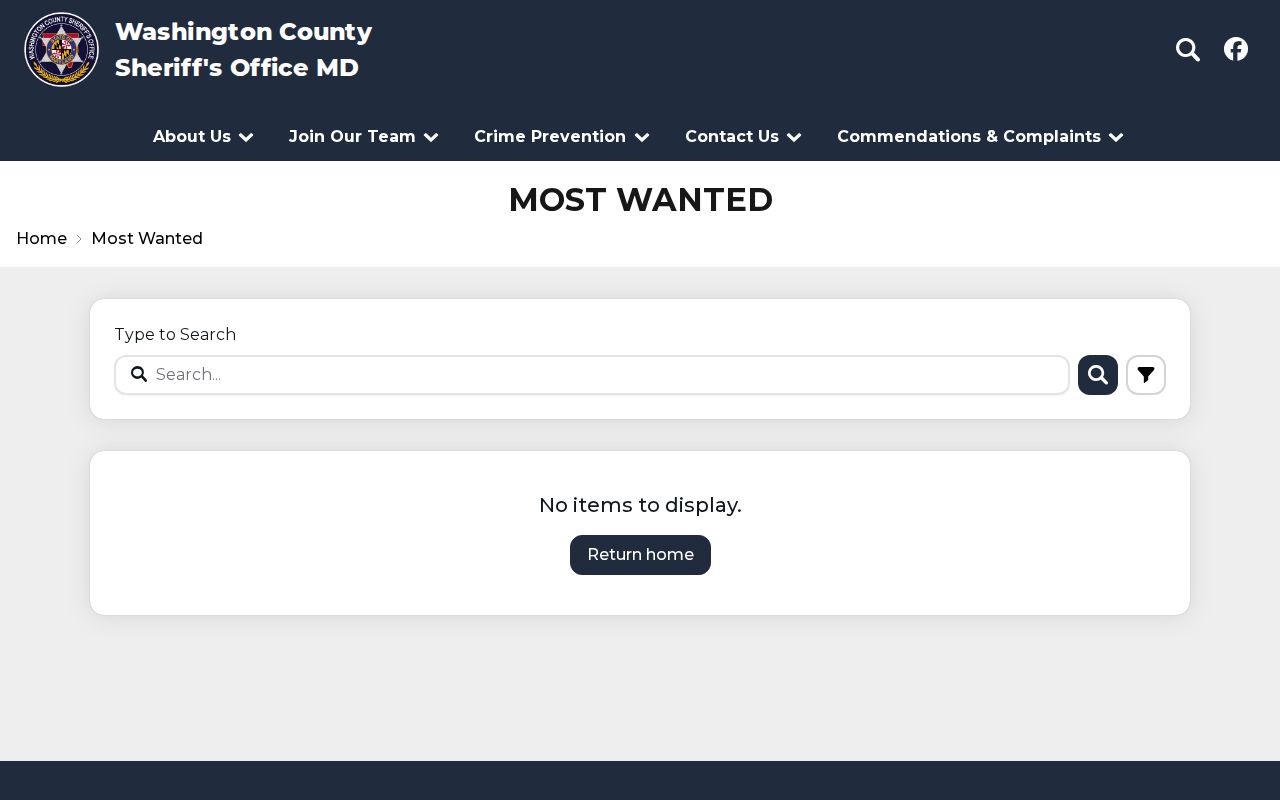
The Most Wanted interface shows the program's search shell while leaving the item area to load on its own.
Reporting a Tip Safely
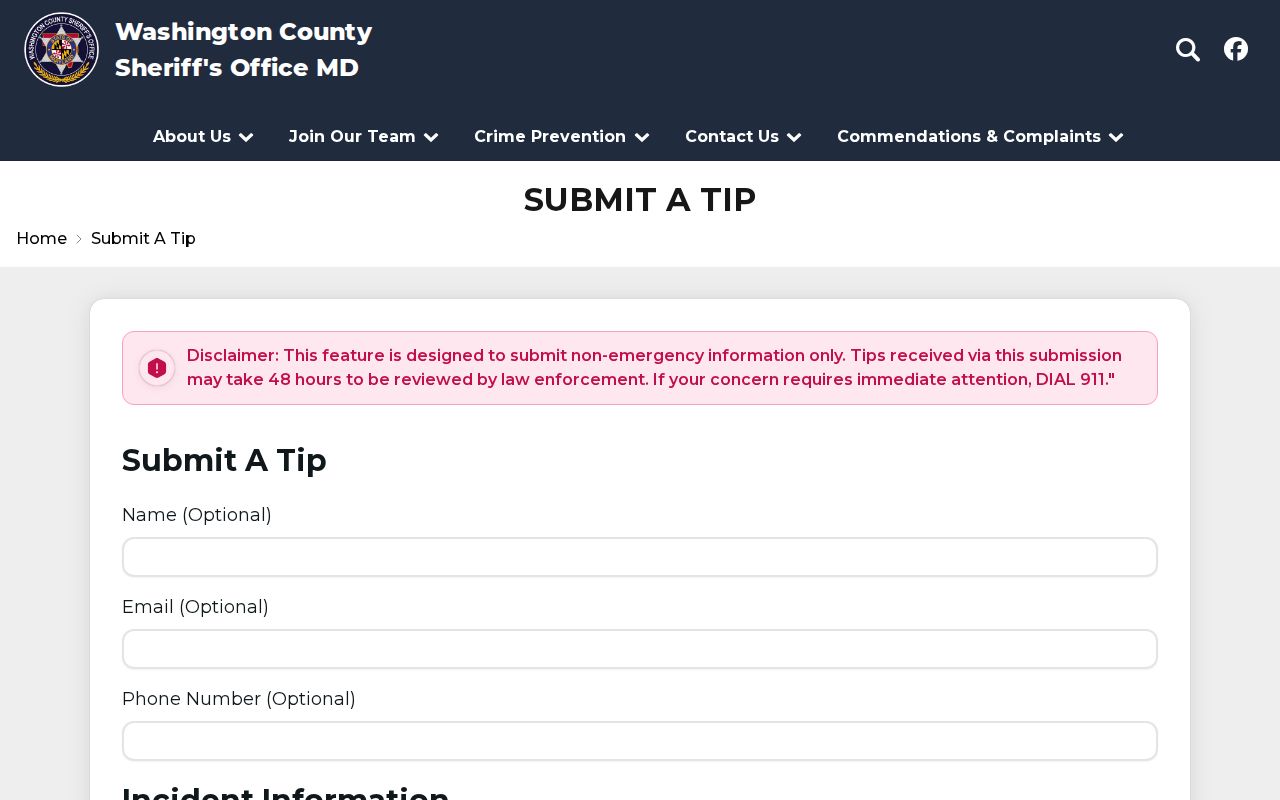
A tip about a listed case belongs with the agency that posted it. Skip the neighbors and the comment threads. The Washington County Sheriff's Office publishes a Submit a Tip page for exactly that.
Key Rules: use the official tip form, give the detail you actually know, and do not confront anyone or publish an address.
The tip route is a reporting channel, not a warrant search, and it does not return a status answer to the sender.
The official tip page provides the submission route for information about a listed case.
Most Wanted Lists vs Active Warrants
The two records overlap, but they do not match. Someone can hold an active Washington County warrant and never show up on a digest, and a digest entry is not itself the warrant. The difference matters once a reader starts drawing conclusions.
| Question | Most Wanted Digest | Active Warrant Record |
|---|---|---|
| Who creates it | The Sheriff's Office, by selection | A judge or commissioner issues the process |
| What it covers | A small public subset | One case at a time, held by the court |
| How it ends | Removal from the page | Recall, service, or resolution in court |
| Where to confirm | Never a self-check tool | The Washington County clerk and the Warrant Unit |
If You Think You Are on a List
A Washington County digest entry is a public thing, and reacting to it in public rarely helps. An attorney can walk through the case, the options, and the timing with you.
Do not approach: contact a Maryland criminal-defense attorney and the Washington County Sheriff's Office Warrant Unit at 240-313-2192 or 240-313-2877. Do not confront anyone about a listing or post about it online.
The county-wide steps for dealing with an open warrant are gathered on the Washington County warrant records home page. The outstanding warrants page explains how the active list itself works.
What the Washington County Digest Does Not Include
The page is not a roster of every wanted person in Washington County. It also is not the underlying court file, and it never says why one case made the cut or when it will come down. Those limits are real. A blank result does not tell you whether a Washington County warrant exists, and a listing does not tell you whether the case has already been resolved. Only the issuing court and the Sheriff's Office can answer either question.
Why the Washington County Page Loads Empty
The official page sometimes loads its title and search control with no entries displayed underneath. That does not mean nobody is wanted in Washington County. It means the digest is dynamic, pulling its items from a data source as the page opens. A slow connection, a content change, or a genuinely empty digest can each leave a blank area on screen. So read the interface for what it is. Confirm anything important directly with the agency, because a blank Washington County page settles nothing.
The Washington County Workload Behind the Digest
The annual reports show Washington County warrant work runs at a scale no curated page could ever display.
One table counts criminal warrants and summons. A separate one tracks the Warrant Task Force. Washington County's published report never reconciles the two, so neither table works as a count of people the sheriff is actively seeking.
Washington County Tips, Alerts, and the App
The Washington County Sheriff's Office home page also carries a mobile app, plus news and alerts, an inmate search, and a sex-offender registry. Each tool does its own job. An inmate search shows custody status, the registry lists offenders registered under state law, and a news feed carries announcements. None of these is a warrant lookup. For an active warrant in Washington County, the Warrant Unit is still the right call, since no app or feed answers that question.
Washington County Lists and Civic Privacy
A public list can be read where it lives without being copied elsewhere. Republishing names, photographs, or a whole roster pushes information far past the agency's own page, and a copy can outlast the case itself: Washington County can pull a digest entry, but a duplicate posted somewhere else tends to stay. That is why the list belongs to the agency that maintains it. Corrections, removals, and updates happen on the official page, not on copies of it. A reader who needs a current answer about a Washington County warrant should go straight to the agency page or the court, where the record can change and be fixed.